Catnip is one of the most popular products in the feline world. With just a small amount of catnip or a toy infused with it, many cats will instantly begin rolling, rubbing, purring, or engaging in playful behavior. However, not every cat owner fully understands what catnip is, why cats are attracted to it, or whether it is safe for feline companions. Before introducing catnip to your pet, it is important to understand how it works and how to use it properly.
In this article, Truoo Pet Care will explain everything you need to know about catnip, including its benefits, safety, and the science behind cats' fascination with this remarkable plant.
What is catnip?
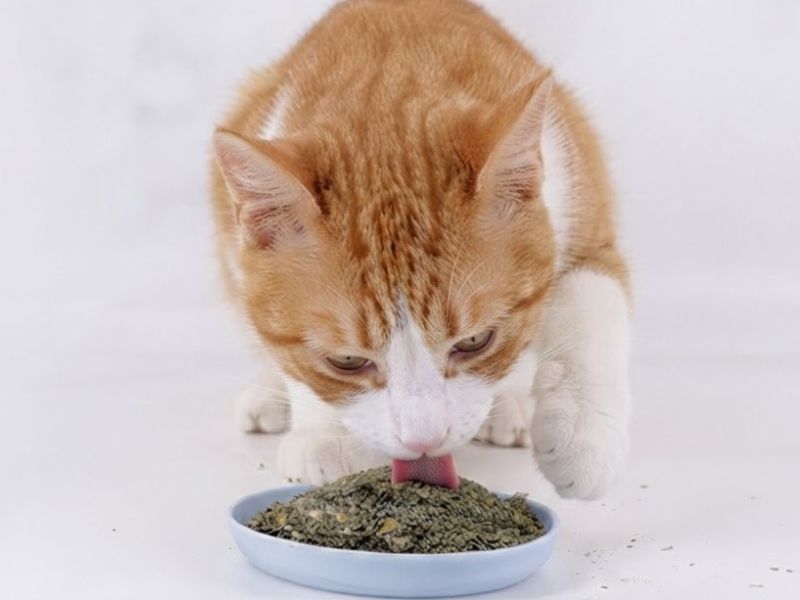
Catnip (Nepeta cataria) is a perennial herb belonging to the Lamiaceae (mint) family, which is why it is often referred to as cat mint. The plant is native to Europe and parts of Western Asia but is now cultivated worldwide. Catnip is not valued for its nutritional properties. Instead, it is widely recognized for its unique ability to influence feline behavior. Today, catnip is available in several forms, including:
- Dried catnip.
- Fresh catnip.
- Catnip sprays.
- Catnip-infused toys.
Although these products differ in form, they all work through the same active compound found naturally in the plant.
It is important to understand that catnip itself is simply a plant. The behavioral effects observed in cats are caused by naturally occurring compounds in its leaves and stems, not by any artificial stimulant or chemical additive.
Why do cats love catnip?
This is one of the most common questions among cat owners. The answer lies in a natural compound called Nepetalactone, which is found in the leaves and stems of the catnip plant. When cats inhale Nepetalactone, sensory receptors inside the nasal cavity are stimulated and transmit signals to brain regions associated with emotion and behavior. As a result, cats may display a variety of reactions, including:
- Rolling on the floor.
- Rubbing their head or body against objects.
- Increased activity and playfulness.
- More vocalization.
- Licking or chewing catnip.
- Short-term excitement and stimulation.
Most reactions typically last 5 to 15 minutes before gradually subsiding. Once the effect wears off, cats usually become temporarily indifferent to catnip before responding again later.
Interestingly, not all cats react to catnip. Sensitivity to Nepetalactone is largely influenced by genetics. In addition, kittens younger than a few months old generally do not show noticeable responses because their neurological and olfactory systems are still developing. Therefore, if your cat is not interested in catnip, it is completely normal and not an indication of any health concern.
Benefits of catnip for cats
Many pet owners wonder whether catnip provides benefits beyond simply attracting cats. In reality, catnip is neither a medication nor a treatment for any disease. Its primary value lies in its ability to encourage natural feline behaviors and enrich a cat's environment. For indoor cats, catnip can provide additional motivation for physical activity. A toy that has been ignored for weeks may suddenly become exciting again with a small amount of catnip.
Environmental enrichment through catnip can help:
- Encourage exercise.
- Reduce boredom.
- Promote mental stimulation.
- Increase play behavior.
Some pet owners also use catnip as a management tool when introducing cats to a new environment or helping them cope with mild situational stress. In these cases, catnip may redirect a cat's attention toward positive activities rather than environmental stressors.
Additional Uses of Catnip
Catnip can also be used to:
- Encourage scratching post usage.
- Support positive reinforcement training.
- Motivate sedentary cats to become more active.
It may be especially useful for cats that have recently moved to a new home, lack environmental stimulation, or have lost interest in their toys.
Which cats respond to catnip?
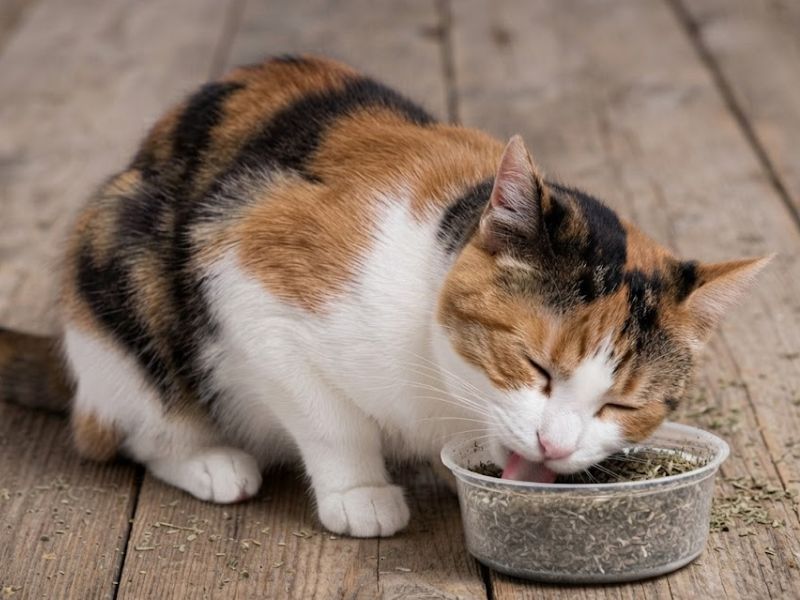
Not all cats respond to catnip in the same way. Research and observational studies suggest that approximately 50% to 70% of adult cats show a response to catnip, although the intensity varies considerably among individuals.
Kittens under 3 to 6 months of age typically show little to no reaction. This developmental stage often explains why some owners assume catnip is ineffective. As cats mature, those with the genetic predisposition for Nepetalactone sensitivity may begin displaying stronger responses.
Senior cats may occasionally show a reduced interest in catnip due to age-related changes in olfaction and neurological function.
Response intensity can vary significantly:
- Some cats sniff briefly and walk away.
- Others roll, rub, and engage in vigorous play.
- A lack of response does not indicate poor product quality or health issues.
Is catnip safe for cats?
One of the most common concerns among cat owners is whether catnip is safe. The good news is that catnip is generally considered safe for healthy cats when used appropriately.
There is currently no evidence suggesting that catnip causes addiction in the same way as substances associated with dependency. Cats do not show withdrawal symptoms or require increasing amounts over time.
Once the effects wear off, cats simply return to their normal behavior. However, this does not mean catnip should be used excessively every day. Frequent exposure may reduce a cat's sensitivity and overall interest.
Consider reducing usage if your cat shows:
- Excessive excitement.
- Signs of irritation or overstimulation.
- Diminished interest.
- Weaker responses after repeated exposure.
For most healthy adult cats, using catnip a few times per week is sufficient.
How to use catnip correctly
Selecting the right form of catnip and introducing it properly will help ensure a positive experience for your cat.
Dried catnip.
Dried catnip is the most common form available today. Sprinkle a small amount on:
- Cat toys.
- Scratching posts.
- Play areas.
A small quantity is usually enough to achieve the desired effect.
Catnip toys
A wide variety of toys are available with catnip incorporated inside them. Popular options include:
- Plush toys.
- Catnip mice.
- Balls and interactive toys.
These products are ideal for encouraging active play.
Catnip spray
Catnip spray can be useful when you want to:
- Attract cats to scratching posts.
- Encourage use of a new bed.
- Increase toy engagement.
For best results, spray the product a few minutes before introducing it to your cat.
Fresh catnip
If you grow catnip at home, you may allow your cat to smell or interact directly with the leaves. Regardless of the form used, moderation remains important. Most pet behavior experts recommend offering catnip approximately 1 to 3 times per week for adult cats.
Catnip vs. cat grass: What's the difference?
New cat owners often confuse catnip with cat grass, but they are entirely different. Catnip is the herb Nepeta cataria, known for its behavioral effects.
Cat grass typically consists of young grasses such as:
- Wheatgrass.
- Oat grass.
- Barley grass.
These grasses are grown specifically for cats to consume.
|
Criteria |
Catnip |
Cat Grass |
|
Plant Type |
Nepeta cataria |
Young cereal grasses |
|
Primary Benefit |
Behavioral enrichment |
Digestive support |
|
Mechanism |
Olfactory stimulation |
Gastrointestinal intake |
|
Suitable For |
Sensitive adult cats |
Most cats |
|
Usage |
Smelling and playing |
Direct consumption |
If your goal is to encourage activity and play, catnip is usually the better option. If you want digestive support or assistance with managing hairballs, cat grass may be more beneficial.
Important considerations when using catnip
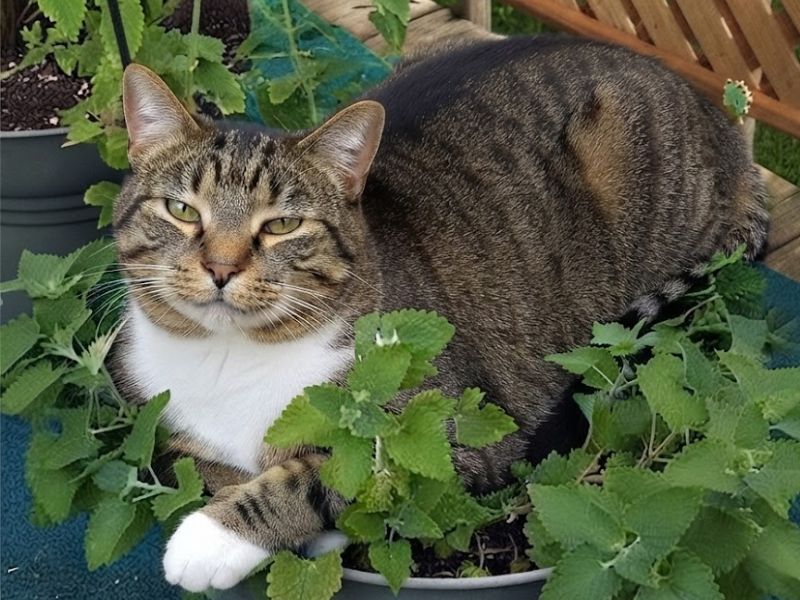
Although catnip is generally easy to use, keep the following points in mind:
- Never force a cat to interact with catnip.
- More catnip does not necessarily produce better results.
- Choose high-quality products from reputable manufacturers.
- Store catnip properly to preserve its aroma and potency.
- Monitor your cat's reaction after each use.
These practices help ensure that catnip remains effective and enjoyable.
Common myths about catnip
There are many misconceptions surrounding catnip, especially online:
- Catnip is addictive: There is no evidence that catnip causes addiction in cats.
- Catnip is a drug for cats: Catnip triggers a temporary behavioral response but is not a narcotic or addictive substance.
- Every cat loves catnip: A significant percentage of cats do not respond to catnip due to genetics.
- More catnip is better: Excessive use can reduce sensitivity and decrease effectiveness over time.
- Cats only need catnip, not toys: Catnip is simply an enrichment tool. Cats still require regular exercise, playtime, and social interaction for optimal physical and mental well-being.
Frequently asked questions about catnip (FAQs)
Does catnip cause addiction?
No. There is currently no evidence that catnip causes addiction or dependency in cats.
Can kittens use catnip?
Yes, kittens can be exposed to catnip, although most do not respond significantly before reaching 3 to 6 months of age.
How often should cats use catnip?
Most experts recommend offering catnip approximately 1 to 3 times per week.
Is it normal if my cat doesn't react to catnip?
Absolutely. Sensitivity to catnip is largely determined by genetics.
Can I grow catnip at home?
Yes. Catnip is relatively easy to grow provided it receives adequate sunlight and basic care.
Can catnip help reduce stress?
In some situations, catnip may help cats relax and adapt more comfortably to environmental changes.
Conclusion
Catnip (Nepeta cataria) is a member of the mint family that can stimulate natural feline behaviors through its active compound, Nepetalactone. Although not every cat responds to catnip, many adult cats benefit from its ability to encourage activity, play, and environmental enrichment. The key to successful catnip use is not quantity but proper application. When offered in moderation and tailored to the individual cat, catnip can become a valuable enrichment tool that enhances the quality of life for both cats and their owners.
Love your pet from the inside out
Discover Truoo Pet Care's nutritious pet food products and give your furry friend the healthy start they deserve.