A cat not eating is a fairly common situation, but it should never be ignored. In some cases, appetite loss may simply be related to a change in food preferences, a new environment, or temporary stress. However, prolonged appetite loss can also be an early warning sign of an underlying health problem that requires attention.
One challenge for owners of cats not eating is determining whether the behavior is caused by food preferences or an underlying medical issue. How can you tell the difference between a normal change in appetite and a situation that requires veterinary care?
In this article, Truoo Pet Care explains the most common causes of cats not eating and the appropriate steps to take when your cat loses interest in food.
Is it dangerous when a cat is not eating?
One of the most common questions owners ask is: “Will my cat be okay if it skips a few meals?”
The answer depends on the cat's age, overall health status, and how long the appetite loss lasts.
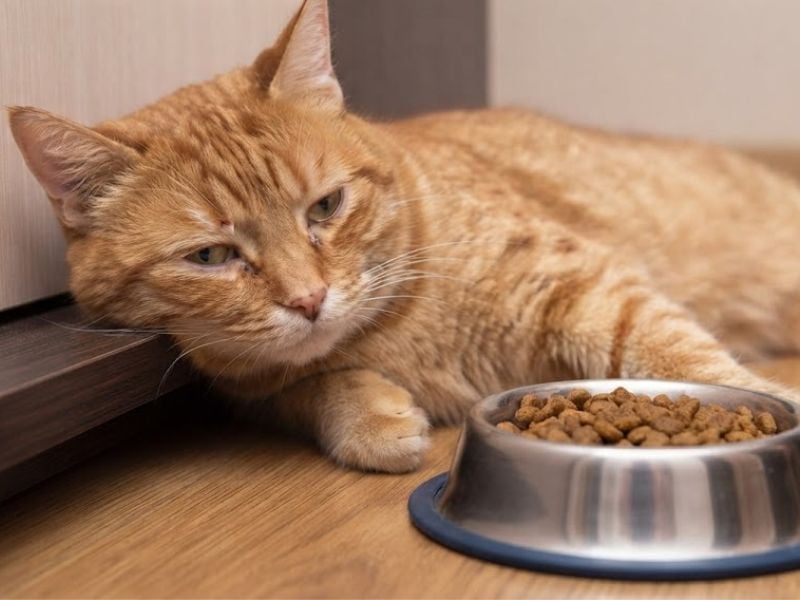
Healthy adult cats can generally tolerate eating less food for a short period better than kittens or senior cats. However, this does not mean the situation should be underestimated. Unlike many animals, cats can be particularly sensitive to prolonged nutritional deficiencies.
Kittens are still growing and require a higher energy intake. Even a short period without food can negatively affect their health. Senior cats and cats with underlying medical conditions are also more vulnerable to weakness and dehydration if they do not eat enough.
Healthy adult cats may be monitored for a short period if they are eating less than usual. However, kittens, senior cats, overweight cats, and cats with pre-existing health conditions should be evaluated sooner if they stop eating.
One of the most serious concerns associated with prolonged fasting is hepatic lipidosis (fatty liver disease). This serious condition can develop when a cat does not receive enough energy for an extended period, particularly in overweight cats.
In addition, prolonged appetite loss may increase the risk of:
- Dehydration.
- Weakness.
- Weight loss.
- Worsening of existing health conditions.
How to tell the difference between a picky eater and a sick cat
Not every cat not eating is necessarily ill. In many situations, the cat may simply be picky or no longer interested in its current food.
A picky eater typically remains alert and active. The cat may refuse its usual food while showing interest in a different type of food. It continues drinking water normally and still wants to play or interact with family members.
In contrast, a cat that stops eating because of illness often shows more noticeable changes. Additional signs may include:
Sleeping more than usual.
- Lethargy.
- Weight loss.
- Reduced activity.
- Vomiting or diarrhea.
- Reduced water intake.
|
Sign |
Picky Eater |
May Be Ill |
|
Eats treats or other foods |
Yes |
No |
|
Activity level |
Normal |
Reduced |
|
Water intake |
Normal |
May decrease |
|
Behavior |
Normal |
Lethargic |
If a cat refuses all types of food and develops other abnormal symptoms, owners should consider the possibility of illness rather than simple food selectiveness.
10 common reasons why a cat is not eating
If you've ever wondered, "Why is my cat not eating?", there are many possible explanations. Some are related to the environment, while others may involve health conditions that require veterinary attention.
1. Sudden food changes
Cats are often more sensitive to food aroma, flavor, and texture than many owners realize. A rapid switch to a new diet may cause a cat to eat less or refuse food altogether.
This is also why some owners find that their cat refuses dry food after changing to a new brand.
2. Stress or environmental changes
Even small changes can cause appetite loss, including:
- Moving to a new home.
- Changing the feeding station location.
- Introducing a new pet.
- Having unfamiliar visitors.
- Changes in daily routines.
These factors can create stress and reduce appetite.
3. Heat cycle (Estrus)
Some cats, particularly intact females, may eat less during their heat cycle because reproductive behavior becomes a higher priority than eating.
4. Dental and oral problems
This is one of the most commonly overlooked causes of appetite loss.
Cats with:
- Gingivitis.
- Dental tartar.
- Periodontal disease.
- Tooth pain.
May still want to eat but avoid food because chewing is painful.
5. Digestive disorders
Cats experiencing digestive problems such as gastritis or intestinal disorders often show reduced appetite.
6. Hairballs in the digestive tract
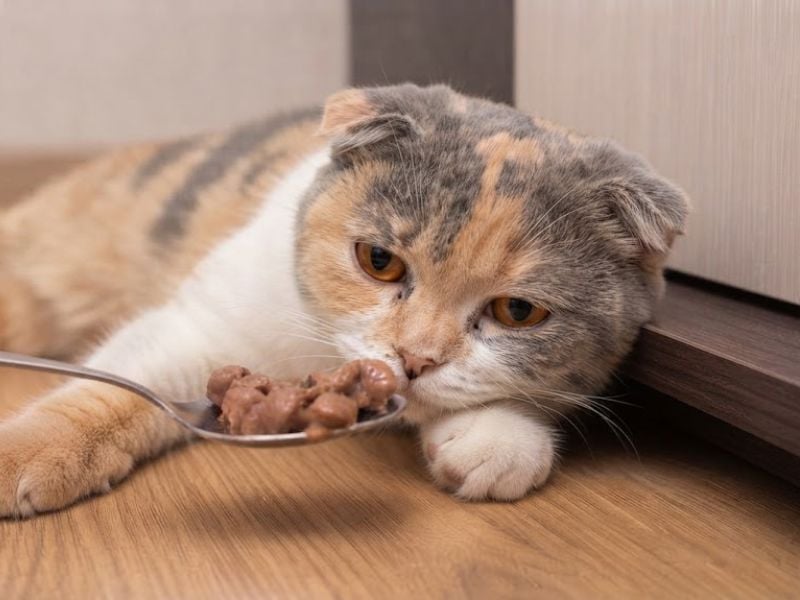
Cats naturally swallow hair while grooming. In some cases, hairballs may cause digestive discomfort or obstruction, resulting in reduced food intake. However, prolonged appetite loss should not automatically be attributed to hairballs without evaluating other possible causes.
7. Viral or bacterial infections
Common infectious diseases in cats are often accompanied by:
- Loss of appetite.
- Fever.
- Fatigue.
- Watery eyes.
- Sneezing.
Internal diseases such as kidney disease and liver disease can also significantly reduce appetite.
8. Side effects after vaccination or medication
Following vaccination, some cats may eat less for 24 to 48 hours. This is usually a temporary reaction that resolves naturally.
9. Aging or reduced sense of smell
A cat's sense of smell plays a major role in stimulating appetite. As cats age, their ability to detect odors may gradually decline, making food less appealing. Likewise, conditions that affect the nasal passages or upper respiratory tract may reduce a cat's interest in food.
10. Pain or discomfort
Pain anywhere in the body may reduce appetite. Because cats are very good at hiding signs of pain, this cause can easily go unnoticed.
Recognizing additional symptoms when a cat stops eating
Sometimes the cause of appetite loss becomes clearer when other symptoms appear alongside it.
Cat not eating and sleeping all day
If a cat is not eating and spends most of the day lying down, this may indicate weakness or an underlying health issue.
My cat won't eat but still drinks water
If my cat won't eat but continues drinking water, the cause may be related to dental issues, digestive discomfort, or stress.
This is generally less concerning than refusing both food and water, but prolonged appetite loss still requires close monitoring and veterinary evaluation when appropriate.
Cat not eating with vomiting or diarrhea
When appetite loss occurs alongside vomiting or diarrhea, digestive disorders or infectious diseases should be considered.
Cat not eating and losing weight
Rapid weight loss in a cat that refuses food should never be ignored.
What should you do when your cat is not eating?
Many owners become concerned when they have cats who won't eat. The most important step is to observe carefully before deciding how to respond.
During the first 24 hours
Consider the following questions:
- Is the cat still drinking water?
- Is vomiting or diarrhea present?
- Have there been any recent environmental changes?
- Does the cat appear painful or uncomfortable?
If there are no serious warning signs, owners may try:
- Warming the food slightly to increase aroma.
- Switching to wet food.
- Offering several smaller meals.
- Feeding in a quiet environment.
These commonly help cats that are eating less because of food preferences or mild stress.
After 24–48 hours
If the cat is still not eating normally, monitor carefully:
- Food intake.
- Activity level.
- Bathroom habits.
- Daily water consumption.
Checking the mouth and teeth for signs of pain or inflammation may also be helpful.
After 48 hours
If the problem persists beyond 48 hours, it is generally time to contact a veterinarian, especially if:
- The cat continues refusing food.
- Weight loss develops.
- Additional symptoms appear.
Delaying professional care may allow the condition to worsen.
When should you take your cat to a veterinarian?
Owners should seek veterinary care as soon as possible if their cat experiences:
- Complete refusal of food for more than 24–48 hours.
- Persistent vomiting.
- Ongoing diarrhea.
- Dehydration.
- Abnormal breathing.
- Rapid weight loss.
- Excessive sleeping combined with appetite loss.
Kittens, senior cats, and cats with underlying medical conditions should be evaluated earlier than healthy adult cats.
Common mistakes when a cat stops eating
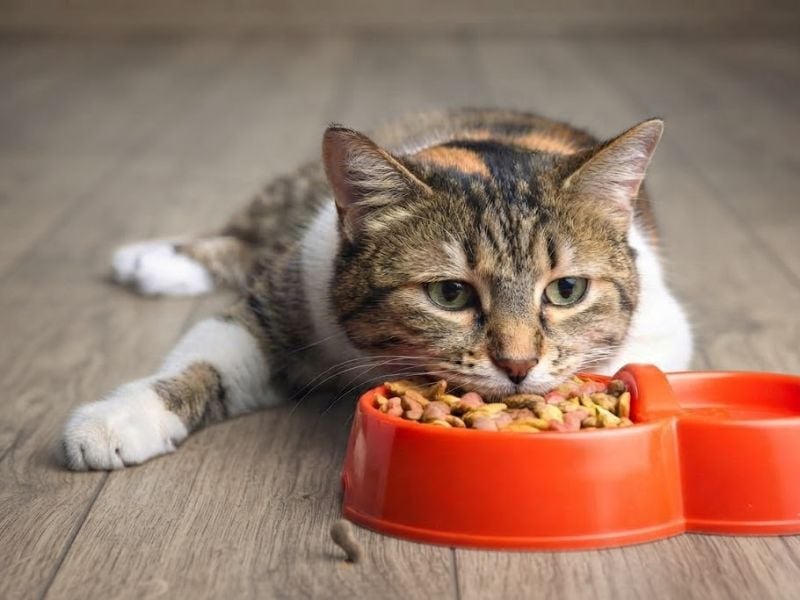
Many conditions become more serious because of mistakes made during the early stages. Common mistakes include:
- Forcing the cat to eat.
- Giving human medications without veterinary guidance.
- Waiting too long before seeking veterinary care.
- Frequently changing foods.
- Failing to monitor water consumption.
- Ignoring accompanying symptoms.
Repeated food changes often make picky-eating behavior worse rather than better.
How to prevent appetite loss in cats
Not every case can be prevented, but appropriate care can significantly reduce the risk.
Helpful preventive measures include:
- Maintaining a consistent feeding routine.
- Transitioning to new foods gradually.
- Regular grooming to reduce hairballs.
- Routine dental care.
- Minimizing stress.
- Keeping vaccinations up to date.
- Scheduling regular health checkups.
These practices help reduce the likelihood of appetite loss while supporting long-term overall health.
Frequently asked questions
My cat won't eat for a day. Is it serious?
If your cat is still drinking water, behaving normally, and has only missed food for a short period, monitoring may be appropriate. However, if appetite loss continues, consult a veterinarian.
Is it dangerous if my cat won't eat but still drinks water?
The risk is generally lower than when a cat refuses both food and water. However, this can still indicate a variety of health issues.
Why does stress cause a cat not eating?
When cats experience stress, their bodies release hormones associated with the stress response. These hormones can reduce appetite and make food less appealing.
Stress may also make cats more cautious about unfamiliar foods. As a result, changing diets during stressful periods can sometimes worsen appetite loss.
What should I do if my kitten is not eating?
Kittens can become dehydrated and weakened more quickly than adult cats. If a kitten refuses food, close monitoring and early veterinary evaluation are recommended.
Should I keep changing foods when my cat won't eat?
No. Frequent diet changes can make adaptation more difficult and may prolong picky-eating behaviors.
How long can a cat go without eating before seeing a veterinarian?
In general, veterinary attention is recommended if a cat has not eaten for more than 24–48 hours or develops additional abnormal symptoms.
Are senior cats at greater risk than younger cats?
Yes. Senior cats generally have lower energy reserves and are more susceptible to complications associated with prolonged appetite loss.
How can I encourage my cat to eat again?
You may try:
- Warming the food.
- Offering wet cat food.
- Feeding smaller portions more frequently.
- Providing a quiet feeding area.
If appetite does not improve, focus on identifying the underlying cause rather than simply trying to stimulate appetite. Consulting a veterinarian is recommended.
Conclusion
A cat not eating can result from many different causes, including environmental changes, stress, picky eating behavior, and medical conditions that require treatment. The most important step is not to force your cat to eat immediately, but to identify the underlying cause and monitor for accompanying symptoms. A balanced diet, a stable living environment, and routine veterinary care remain the best foundation for reducing the risk of appetite loss and supporting your cat's long-term health.
Love your pet from the inside out
Discover Truoo Pet Care's nutritious pet food products and give your furry friend the healthy start they deserve.